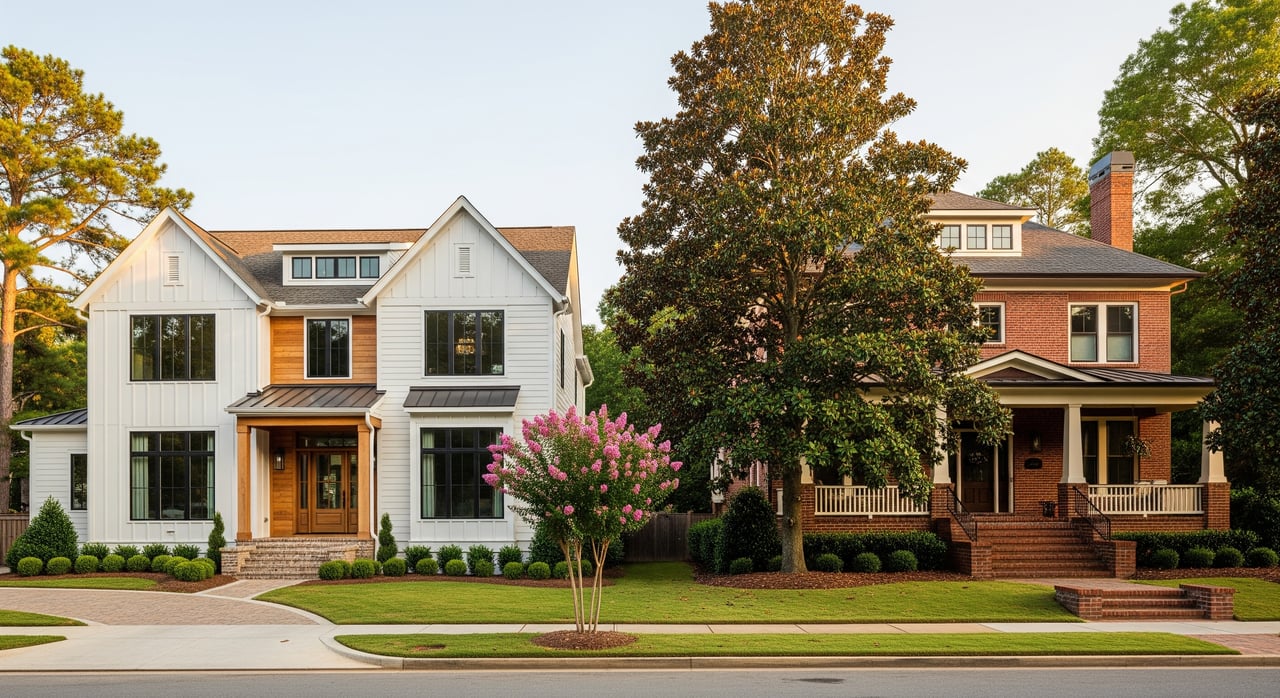
Trying to decide between a new build in Holly Springs or a resale home? With the town’s steady growth and active development, both paths can look attractive for different reasons. You want a clear, local view of cost, timing, inspections, HOAs, and what to expect after closing. This guide breaks down the trade-offs so you can move forward with confidence. Let’s dive in.
New vs resale: Holly Springs today
Holly Springs sits within the fast-growing Research Triangle, which means you’ll see active new subdivisions alongside established neighborhoods. New communities often appear on the town’s edges while resales are spread through older areas and infill. For current development activity and permit insights, review the Town of Holly Springs resources through the Town of Holly Springs Development Services.
Inventory and pricing move with market cycles, so expect seasonal shifts. New construction from national and regional builders is common, while resale availability can vary by neighborhood. Your approach should adjust to the pace of activity in your target area.
Price and value
New construction often starts at a higher price per square foot than comparable older homes. That price reflects current materials and labor, builder overhead, and lot premiums. Resales can be priced lower, but some renovated resales or homes on premium lots may compete with or exceed new-build pricing.
Price-per-square-foot realities
- New-build base prices rarely include everything. Upgrades like cabinetry, counters, flooring, patios, and landscaping can move your effective price up by closing.
- When you compare prices, adjust for lot type, finished versus unfinished space, appliance packages, and recent updates in resales.
- To get a true picture, look beyond the base price and account for the “all-in” cost of a new build, including upgrades and site work.
How to compare comps
- Focus on 3 to 6 recent closed sales in the same area within the last few months if possible.
- Match key features: beds, baths, heated living area, lot size, and age or condition of major systems.
- Access to live market data matters. Ask your agent to pull verified closed sales from Triangle MLS to anchor your decision.
Timelines and closing
Your timeline might tip the decision. Resale transactions move faster, while new construction offers customization with a longer runway.
Resale timing
Once you have an accepted offer, most lender-dependent closings take about 30 to 45 days. That window covers inspections, appraisal, and loan processing. You can move in shortly after closing if no repairs or occupancy hurdles remain.
New construction timing
Production new builds commonly take 4 to 9 months from contract to completion, depending on plan, selections, and supply conditions. Custom homes can run 9 to 18 months or more to account for design, permitting, and construction. Some builders offer quick-delivery or spec homes with shorter timelines.
Permits, CO, and contracts
Holly Springs issues building permits and conducts code inspections. Permit review times change with development volume, so confirm current timing with Town of Holly Springs Development Services. Before move-in, a Certificate of Occupancy or a temporary certificate may be required by the town and lender. Review builder contract language closely, including any clauses about closing before final punch-list items are complete and how those items will be handled.
Warranties and punch lists
Most national builders use a 1-2-10 style warranty structure: one year for workmanship and materials, two years for major systems, and a ten-year limited structural warranty. Exact coverage varies, and some use third-party structural providers. For an overview of common warranty practices, see buyer resources from the National Association of Home Builders and the North Carolina Home Builders Association.
Before closing, you will complete a walk-through to create a punch list of unfinished or unsatisfactory items. Document everything with photos and dates. Ask for clear timelines and remedies if items are not completed on schedule. If a builder misses commitments, options can include contract remedies, holdbacks, or dispute processes. Consider consulting a real estate attorney if you need help interpreting obligations.
Lots, HOAs, and amenities
New subdivisions often feature smaller lots with shared amenities like pools, trails, and clubhouses. Older resale neighborhoods may offer larger, more mature lots and established landscaping. If yard size, outbuildings, or privacy matter to you, resales can offer better value.
Many new communities have mandatory HOAs that manage amenities and design standards. Fees vary and may rise over time to cover long-term maintenance. Resale homes may be in HOA or non-HOA neighborhoods. Always review covenants, recent meeting minutes, and fee schedules. You can search recorded documents and tax records through Wake County’s online resources.
If school assignment is part of your decision, confirm attendance zones and review capacity updates directly with the Wake County Public School System. Keep in mind that assignments can change over time based on district planning.
Inspections and contingencies
Independent inspections matter for both paths.
For resales, plan for a general home inspection and a wood-destroying insect report. Depending on the home, consider HVAC, plumbing, and electrical evaluations, plus radon testing or septic and well inspections where applicable.
For new builds, schedule a pre-drywall inspection to review framing, rough-in plumbing, ductwork, and electrical before insulation. Then order a full final inspection once finishes are in place and, if possible, before closing. Independent inspectors complement municipal code checks and help create a clear baseline for future warranty claims. For additional buyer guidance, review resources from the National Association of REALTORS.
In contracts, include inspection and financing protections for resales. For new builds, look for acceptable completion dates, remedies for delays, inspection rights, and punch-list procedures tied to deadlines.
A simple decision framework
Choose new construction if you want:
- Modern systems, energy-efficient features, and the ability to customize finishes.
- Community amenities like pools, trails, and clubhouses.
- A builder warranty and a predictable maintenance outlook in the early years.
Choose resale if you want:
- A faster move-in timeline.
- Potentially larger lots and mature landscaping.
- The ability to negotiate repairs, credits, or price based on inspection findings.
Local sources you can trust
- Town of Holly Springs Development Services for permits, inspections, and CO requirements: Town of Holly Springs
- Wake County tax, parcel, and recorded documents: Wake County online records
- School assignments and capacity updates: Wake County Public School System
- Closed sales and inventory trends: Triangle MLS
- Builder warranty and buyer education: NAHB, NCHBA
- Buyer checklists and market guidance: National Association of REALTORS
FAQs
What costs make new construction more expensive in Holly Springs?
- Base prices rarely include upgrades, lot premiums, landscaping, patios, or certain appliances, so the effective price per square foot usually rises by closing.
How long does a typical resale closing take?
- Most lender-dependent resales close in about 30 to 45 days, assuming standard inspections, appraisal, and loan processing go as planned.
Do I still need an inspection on a brand-new home?
- Yes. Schedule a pre-drywall inspection and a full final inspection, which complement code checks and help document any issues for warranty claims later.
How do HOAs differ between new and older neighborhoods?
- Newer communities often have mandatory HOAs that fund amenities and enforce design standards, while older resales may or may not be in an HOA and can have different rules and fees.
Where can I confirm school assignments for a specific address?
- Use the Wake County Public School System lookup to confirm current attendance zones and review any capacity updates.
What is a Certificate of Occupancy, and why does it matter?
- A CO is the town’s approval to occupy a finished home. Your lender may require it before closing, so check timing with Town of Holly Springs Development Services.
Ready to compare specific neighborhoods, builders, and recent comps in Holly Springs? Get local, one-on-one guidance and a clear plan with Margie Ax.