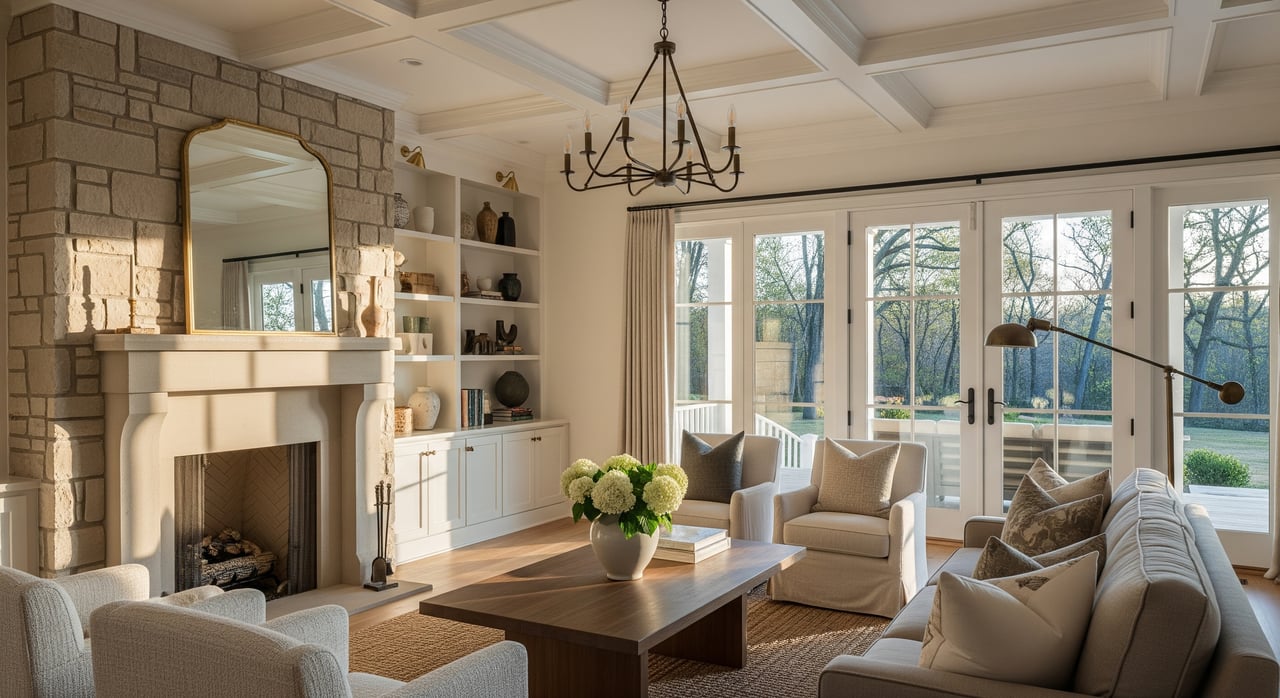
Thinking about listing your Wake Forest home this spring? You know buyers will scroll fast, judge by photos, and book tours based on first impressions. Prepping can feel overwhelming, but a focused plan will help you win attention online and in person. In this guide, you’ll learn a photo-first staging strategy, where to invest for the best return, timelines that fit spring demand, and how Compass Concierge can help you prep without upfront costs. Let’s dive in.
Why staging matters in Wake Forest
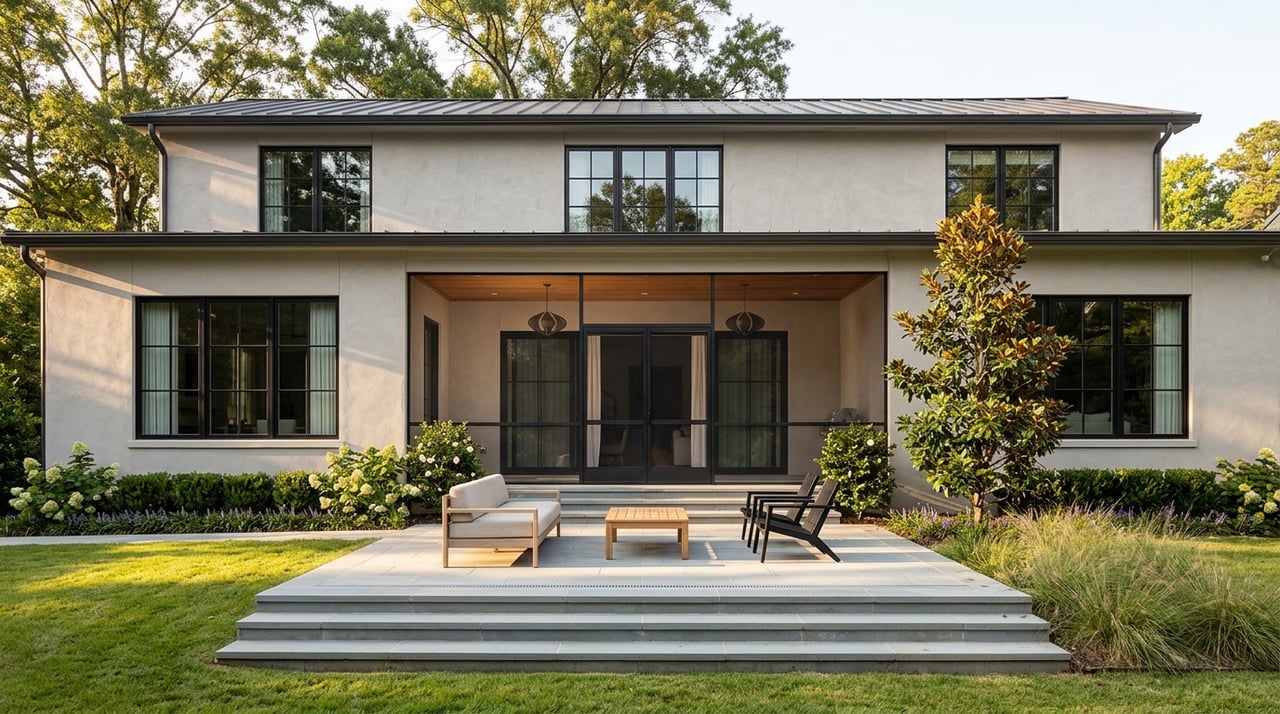
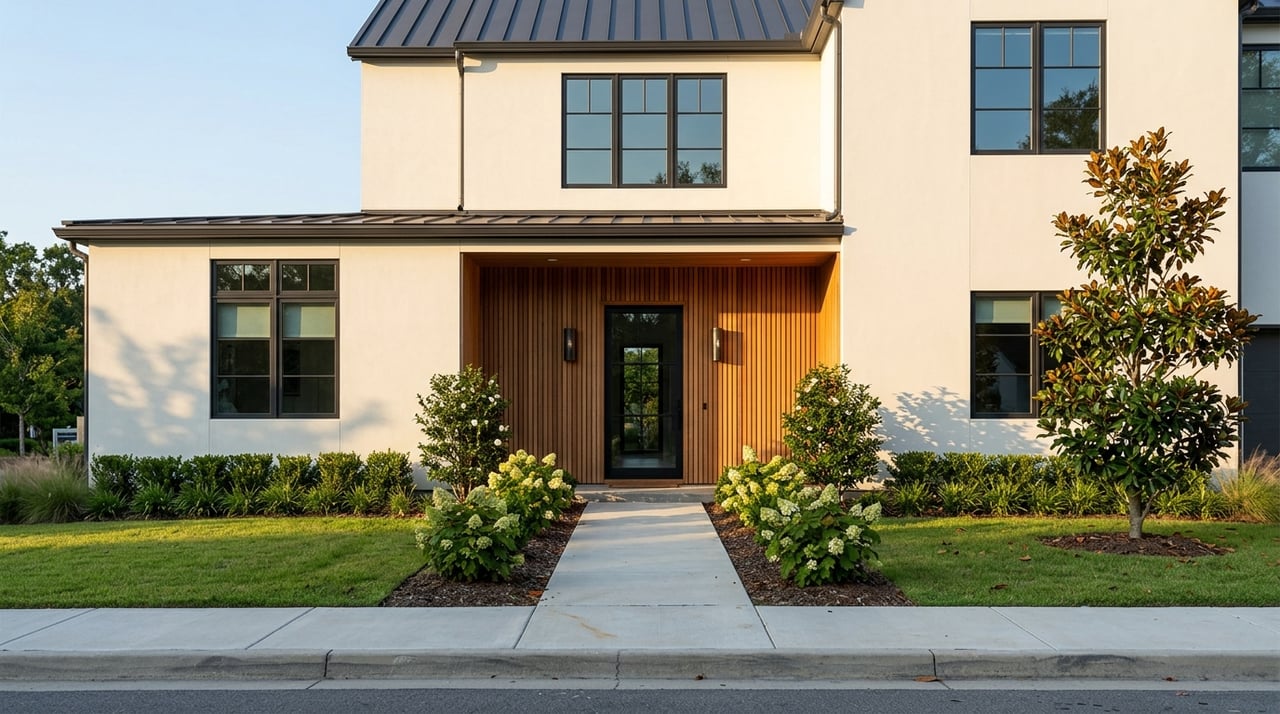
Wake Forest is a fast-growing suburb with strong commuter appeal and family-focused neighborhoods. Buyers here often prioritize move-in readiness, curb appeal, and functional kitchens and bathrooms. You want your home to look bright, clean, and easy to imagine living in.
Spring is the peak listing season in our area. According to Realtor.com’s seasonal guidance, well-timed spring listings can capture more buyer traffic. Most buyers also start online, so presentation is key. NAR research shows that quality photos and clear digital tours influence showing requests and offers.
For local context and services, you can explore the Town of Wake Forest’s resources and U.S. Census QuickFacts for Wake Forest. For neutral school information, visit the Wake County Public School System.
Your photo-first plan
Great photos drive clicks, showings, and offers. Here’s how to get ready.
One to two weeks before photos
- Confirm any repairs and paint touch-ups are complete.
- Deep clean, including windows and light fixtures, and address any odors.
- Declutter: clear counters, remove excess furniture, and store personal photos.
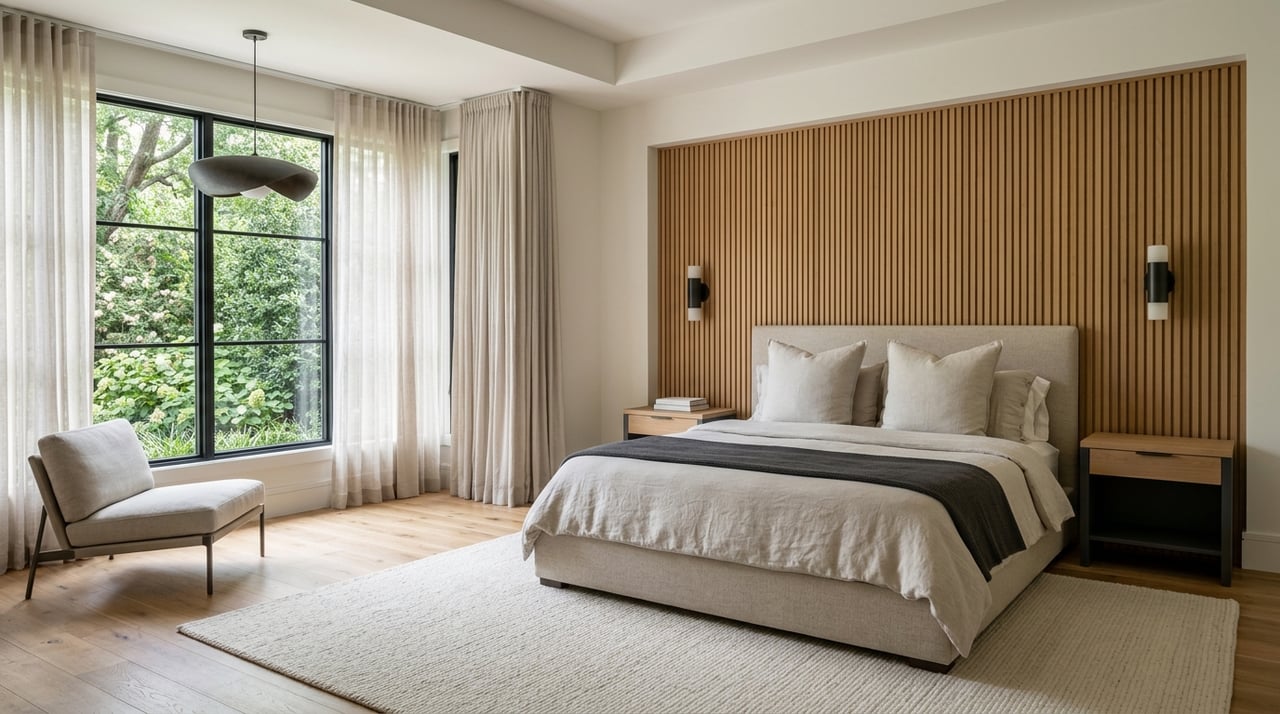
- Add final styling: neutral bedding, a few plants, art at eye height, and area rugs to define spaces.
- Tidy the yard and remove toys. Park cars off-site during photos.
- Plan for pets to be out of the home during photography.
On photo day
- Hire a professional real estate photographer with local experience in Wake County.
- Request HDR images, a twilight exterior shot for curb appeal, and a 3D virtual tour (helpful for out-of-town buyers).
- Shoot key rooms first: kitchen, main living area, and primary bedroom. Then baths, secondary bedrooms, and outdoor spaces.
- Capture detail shots of updated fixtures, countertops, or views for marketing materials.
Listing media that converts
- Feature 20 to 40 high-quality photos, depending on platform limits.
- Add a 3D tour link and a short walk-through video.
- Use 1 to 3 bright, inviting shots optimized for social posts and open-house promotions.
High-ROI updates for Wake Forest homes
You do not need a full remodel to sell well. Focus on updates that show up clearly in photos and in person.
Low-to-moderate cost, high impact
- Declutter and depersonalize. Better flow and more apparent space. Estimated cost: $200 to $1,000.
- Deep clean and odor removal. Clean windows, vents, and fixtures for brighter rooms. $150 to $600.
- Neutral interior paint. Warm grays, soft beiges, or off-white appeal to the widest buyer pool. $300 to $3,000.
- Curb appeal refresh. Mow and edge, add mulch, trim shrubs, and plant seasonal color near the entry. $300 to $3,000.
- Lighting and fixtures. Use daylight-balanced LEDs and replace dated fixtures in key rooms. $100 to $1,200.
Moderate cost, high visual payoff
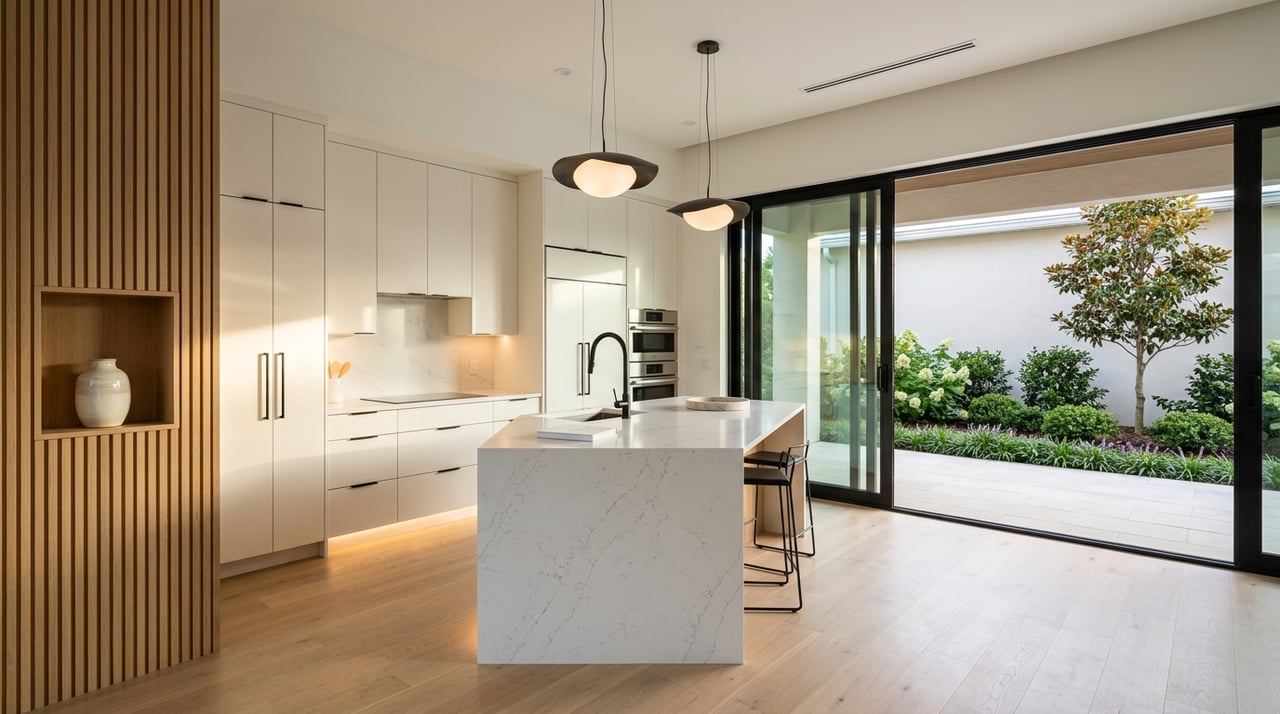
- Kitchen touchups. New cabinet hardware, updated faucets, clean grout, under-cabinet lighting, and styled counters. $200 to $5,000.
- Bathroom refresh. Re-caulk tubs, update mirrors and lighting, and replace dated shower curtains or doors. $200 to $3,000.
- Flooring care. Professional carpet cleaning or targeted plank replacement where wear shows in photos. $100 to $6,000.
Selective higher-cost projects
- Paint or reface kitchen cabinets. A modern look without full replacement. $1,000 to $8,000+.
- Minor kitchen remodel or appliance refresh. Useful in higher price bands where buyers expect updated finishes. $5,000 to $30,000.
- Major systems or repairs. Address known roof or HVAC issues before listing to avoid deal friction later.
Staging and presentation choices
- Professional staging. Full staging for main living spaces and the primary bedroom is highly effective for photos and showings. Typical packages often range from $1,500 to $6,000.
- Partial staging. Add area rugs, art, and a few furniture pieces to rebalance rooms at a lower cost.
- Virtual staging. Cost-effective for vacant homes, but disclose per marketplace rules. Pair with some physical staging for showings when possible.
- Professional photography and tours. Request HDR, twilight exteriors, drone shots if the lot or setting benefits, and a 3D tour for convenience-oriented buyers.
For bigger projects, the national Cost vs. Value Report can help you gauge typical ROI expectations.
Timeline to hit spring demand
- 8 to 12 weeks out: Strategy meeting, comps, staging plan, budget, and a decision on financing prep work. Consider whether Compass Concierge is a fit.
- 6 to 8 weeks out: Book painters, flooring pros, landscapers, and stagers. Build in lead time.
- 2 to 3 weeks out: Wrap major work. Aim to install staging 7 to 10 days before photos.
- Photo day: Capture images and the 3D tour.
- 1 to 2 days after: Review photos, finalize the listing, and schedule the go-live date for optimal exposure.
Smart budget ranges
- Low-cost prep: $500 to $3,000 for cleaning, decluttering, light paint, and minor fixes.
- Mid-range: $3,000 to $12,000 for full-house paint, landscaping, modest kitchen and bath updates, and partial staging.
- Higher-end prep: $12,000 to $40,000+ for full staging and targeted renovations in premium listings.
Keep a 10 to 15 percent contingency for small repairs discovered during prep. Always compare your plan to neighborhood comps and expected price range.
Compass Concierge: fund and streamline prep
If you want to elevate presentation without paying upfront, the Compass Concierge program can help cover cosmetic updates like paint, staging, landscaping, flooring, and minor repairs. You repay the costs at closing from sale proceeds, with no interest or monthly payments during the listing period. Availability and specific terms vary by market, so confirm program details locally with a Compass agent before you commit.
Pros:
- No out-of-pocket prep costs before listing.
- Professional vendor network and streamlined project management.
- Faster path to market-ready condition.
Cons:
- Costs are repaid from your proceeds at closing, which affects your net.
- Terms can vary, so review the agreement and compare quotes to independent bids if you prefer to manage projects yourself.
Best practice: Get a written scope, timeline, and estimate, and verify who stands behind the work. Your agent can help you weigh projected pricing uplift against costs to protect your bottom line.
Wake Forest examples
These scenarios illustrate how focused staging changes your photos and buyer response. Actual plans should match your home’s condition and comps.
Entry-level or lower-mid price
- Before: Dated paint, cluttered counters, overgrown beds, and worn living room carpet.
- Actions: Declutter, neutral paint, deep clean, mulch and seasonal color, professional carpet cleaning, partial staging of living and primary bedroom, and pro photography.
- Budget: About $2,000 to $5,000.
- Likely outcome: Sharper listing photos, more showings, and stronger early offers.
Mid-price family home
- Before: Functional but dated kitchen hardware, a tired primary bath, lackluster curb appeal, and vacant rooms.
- Actions: Paint or re-hardware cabinets, update faucets and lighting, stage kitchen, living, and primary, refresh landscaping, add a 3D tour and drone shots if the lot benefits.
- Budget: About $6,000 to $15,000.
- Likely outcome: Improved perceived value and better buyer connection, helping you price competitively within comps.
Higher-end listing
- Before: Oversized furniture impacts flow, décor feels inconsistent, and hardwoods show wear.
- Actions: Professional staging throughout main areas, refinish or replace visible flooring, update lighting and window treatments, and add twilight plus drone photography.
- Budget: About $15,000 to $50,000+.
- Likely outcome: Presentation that matches price expectations and reduced concessions during negotiations.
Permits and vendors
Most cosmetic updates like paint, flooring, landscaping, hardware, and light fixtures do not require permits. Structural, electrical, or plumbing changes may, so check local codes with the Town of Wake Forest before you start larger projects. When hiring vendors, vet Wake Forest experience, get itemized bids and timelines, and confirm installation and removal windows for staging rentals.
Your next step
If you want a clear plan to prep, stage, and photograph your Wake Forest home for a top-tier spring listing, let’s map it out together. We can right-size your budget, coordinate vendors, and discuss whether Compass Concierge is a smart fit for your goals. Ready to move forward? Let’s Connect — Request a Free Home Valuation with Margie Ax.
FAQs
How much should I spend on staging in Wake Forest?
- Aim to align spend with your price range and comps. Many sellers see strong results with $3,000 to $12,000 for paint, landscaping, modest kitchen and bath updates, and partial staging, with a 10 to 15 percent contingency.
What improvements bring the best return locally?
- Focus on curb appeal, neutral paint, kitchen and bath touchups, updated lighting, and professional photography with a 3D tour. These read well in photos and help drive showings.
When should I start prepping for a spring listing?
- Start 8 to 12 weeks before you want to go live. That timeline lets you plan, book vendors, complete work, stage, and capture professional photos in time for peak traffic.
Is virtual staging enough for a vacant home?
- Virtual staging can boost photo performance, but many buyers prefer seeing real furniture at showings. Combine virtual with some physical staging when possible.
How does Compass Concierge repayment work?
- If approved and available locally, Concierge fronts eligible prep costs and you repay at closing from sale proceeds. Confirm current terms and fees with a local Compass agent before enrolling.