Are you drawn to an older home with porch character, or does a newer neighborhood with fresh floor plans and amenities fit you better? In Wake Forest, you do not have to force one idea of home onto every part of town. This market has grown in layers, and each layer offers a different mix of style, upkeep, and lifestyle. If you are trying to make sense of those options, this guide will help you understand how Wake Forest home styles shift from downtown-adjacent areas to newer communities. Let’s dive in.
Wake Forest has more than one look
Wake Forest has evolved from a small rural town into a growing suburban market, and that growth shows up clearly in its housing. The Town’s planning documents recognize a range of housing types, including single-family homes, duplexes, triplexes, townhomes, condominiums, and apartments. At the same time, local design standards aim to keep new development compatible with surrounding streets and existing character.
That gives Wake Forest a feel that many buyers notice right away. Instead of one dominant housing style, you see a timeline of homes from different eras. In practical terms, that means you can often choose between historic character, middle-era suburban layouts, and newer planned-community living.
Wake Forest is also a sizable and active housing market. The town’s July 1, 2024 population estimate was 56,764, up 18.2% from 2020. Census data also show that 74.0% of occupied housing units are owner-occupied, and the median value of owner-occupied homes is $474,500.
Downtown homes vs nearby historic areas
One of the most helpful things to know is that downtown Wake Forest and the nearby older residential areas are not the same thing. Downtown itself is the commercial core, centered roughly along White Street. It is known for brick commercial buildings and warehouses built mainly between 1890 and 1949, often one to three stories tall with display windows, transoms, and recessed entries.
The residential historic fabric nearby is broader and more varied. North Main Street, formerly Faculty Avenue, is described by the Town as the earliest residential avenue in Wake Forest. The local historic district includes examples of American architectural styles dating from 1820 to 1956.
What you may see in older residential areas
In and around Wake Forest’s historic residential areas, you may find:
- Greek Revival homes
- Italianate homes
- Queen Anne homes
- Classical Revival homes
- Colonial Revival homes
- Tudor Revival homes
- Craftsman homes
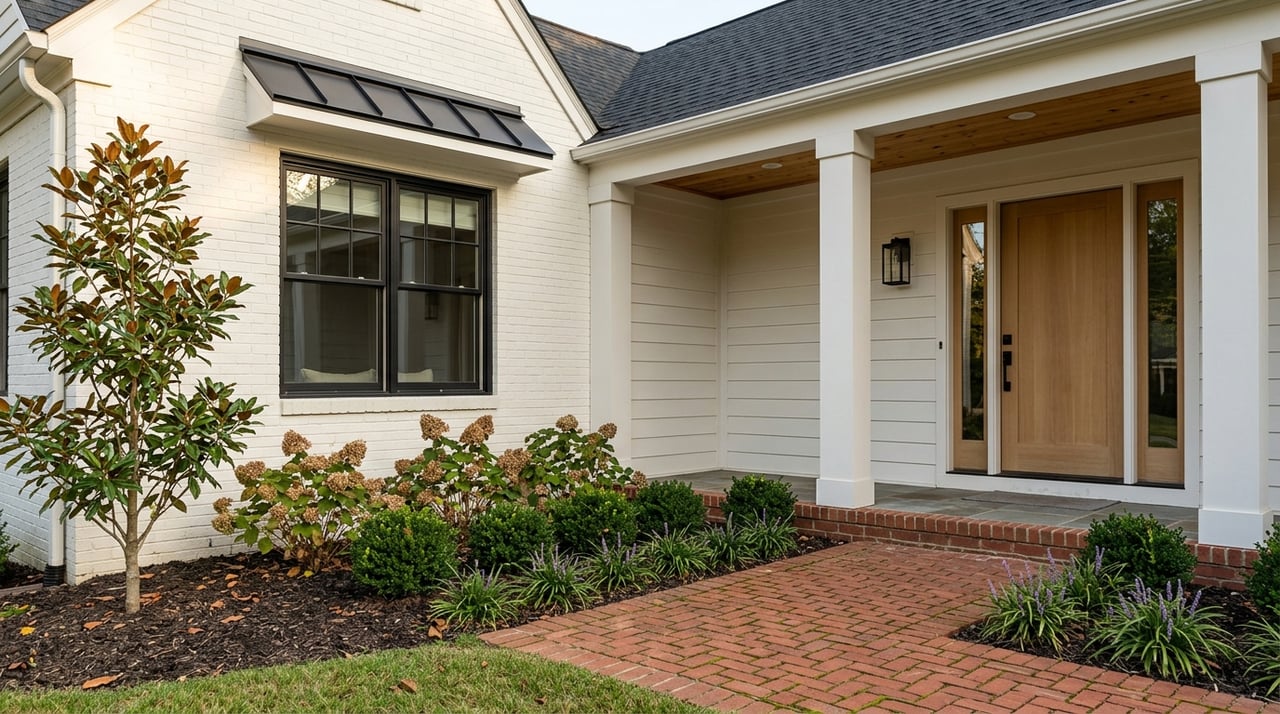
Many historic buildings in these areas still retain original porches, windows, and front entrances. For buyers who value details like that, these homes can offer a sense of place that is hard to recreate in newer construction.
What to know about exterior changes
If you are considering a home in the local historic district, exterior work comes with added review. The Town requires a Certificate of Appropriateness for exterior changes in that district. Wake Forest also provides a Historic Property Handbook and Design Standards to guide property owners through those decisions.
That does not make historic ownership a bad fit. It simply means you should go in with clear expectations about renovation planning, timelines, and what kinds of updates may need approval.
Glen Royall Mill Village offers a different older style
Not every older home in Wake Forest fits the same historic-district picture. Glen Royall Mill Village is one of the primary textile mill villages still remaining in Wake County, and it tells a different part of the town’s housing story. This district is made up largely of detached single-family houses and duplexes.
The homes here often include forms such as pyramidal-roof cottages, shotgun plans, and Triple A dwellings. Many of the operatives’ houses date to the first decade of the 20th century. Compared with some grander historic homes, this area often reflects a more modest scale and simpler design.
For some buyers, that is exactly the appeal. If you like older homes but want something smaller and more straightforward, this kind of in-town housing may feel more approachable.
Mid-century neighborhoods create a middle ground
Wake Forest’s housing story does not jump from historic homes straight to brand-new construction. The town also includes important clusters of homes built in the mid-20th century and later 20th-century subdivisions. A 2020 architectural survey update focused on resources built between 1958 and 1975 and documented both mid-century housing clusters and complete planned developments.
These neighborhoods often sit in the middle of the style and maintenance spectrum. They are generally less formally historic than the oldest areas, but they often offer more variety than the newest master-planned communities. If you want an established setting without local historic district constraints, this can be a very useful category to explore.
What mid-century and transition-era homes often offer
These neighborhoods may appeal to you if you want:
- More lot space than a tight in-town setting
- Established streets and mature landscaping
- Floor plans and layouts from earlier suburban eras
- A wider mix of exterior styles
- Fewer preservation-related restrictions than a local historic district
The Town’s survey also notes that rugged terrain and large suburban lots remained to the west and south of the historic core, while later development formed curving subdivisions around it. That helps explain why some areas feel more spacious and less grid-like than the oldest parts of town.
What upkeep can look like
With these homes, the tradeoff is usually simpler than in a historic district. Instead of preservation review, buyers are more likely to focus on ordinary age-related upkeep, lot care, and long-term system replacement planning. That could include things like roofing, windows, HVAC, plumbing, or other updates that come with older housing stock.
Newer communities bring predictable layouts
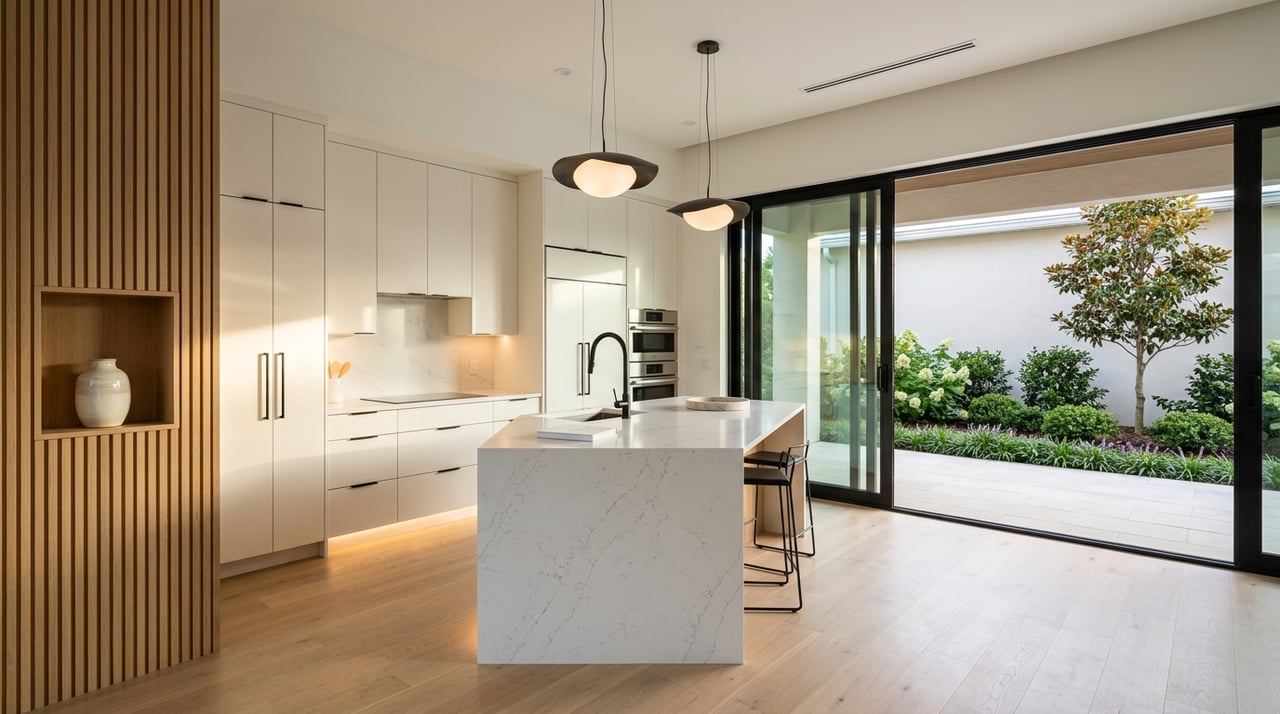
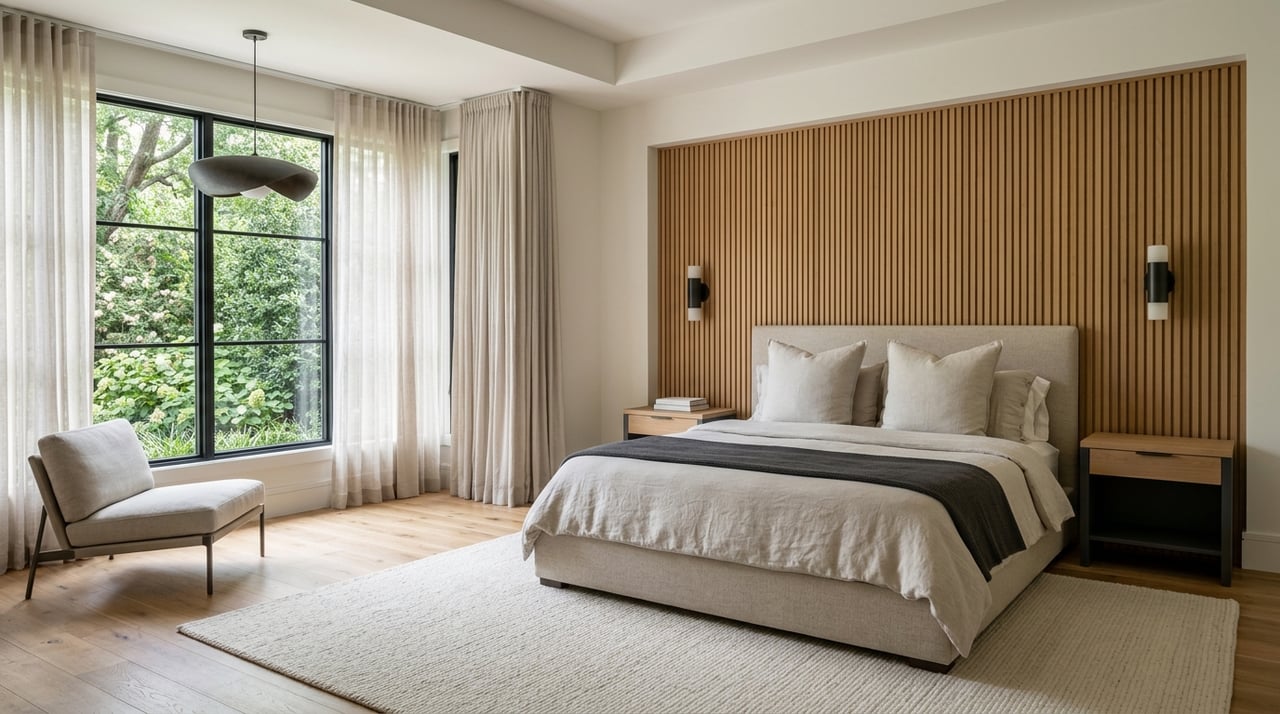
If your priority is a newer home with current finishes, more standardized floor plans, and neighborhood amenities, Wake Forest has that too. Many of the town’s newer neighborhoods are master-planned and amenity-rich. Even so, local design standards still aim for compatibility through details like roof lines, proportions, street relationship, window and door patterns, and materials.
That matters because newer construction in Wake Forest often feels connected to the area’s broader look, even when the homes themselves are more recent. You may get the convenience of new systems and a more modern layout without feeling completely disconnected from the town’s traditional character.
Holding Village mixes home types
Holding Village is a strong example of newer planned-community living in Wake Forest. This 257-acre master-planned community is built around a 15-acre lake. At full build-out, it is expected to include up to 1,350 residential units.
The community includes single-family homes, townhomes, multi-family units, and apartment homes. Its current townhome offerings advertise five floor plans ranging from 1,724 to 2,328 square feet, with both 2-story and 3-story options. That kind of variety can be especially helpful if you want newer construction but are still deciding how much space and maintenance you want.
Del Webb at Traditions serves 55+ buyers
For buyers looking specifically at active-adult options, Del Webb at Traditions stands out as Wake Forest’s clearest 55+ example. According to the HOA, the community includes 455 homes and a resident-controlled board. Amenities include an 18,000-square-foot community center, pocket parks, water features, a greenway, a dog park, a community garden, and more than 50 interest-based clubs.
The community also highlights ranch home designs and an on-site lifestyle director. If you are downsizing or simply want low-maintenance, single-level living with organized amenities, this is an important style of housing to consider in Wake Forest.
How to choose the right home style
The best Wake Forest home style for you depends less on a label and more on the tradeoffs you are comfortable making. Across town, home value can be shaped by age, lot size, architectural style, and amenity level. In a market where the median value of owner-occupied homes is $474,500, understanding those tradeoffs can help you search more strategically.
If you want historic character
Historic-core buyers are often looking for architectural detail, older streetscapes, and homes with a strong sense of identity. If that sounds like you, make sure you are also comfortable with preservation-oriented upkeep and possible exterior-review requirements.
If you want modest older housing
Mill-village and older in-town homes may work well if you value historic fabric but do not need a large footprint. These homes often offer a simpler scale and a different kind of character than larger historic properties.
If you want balance
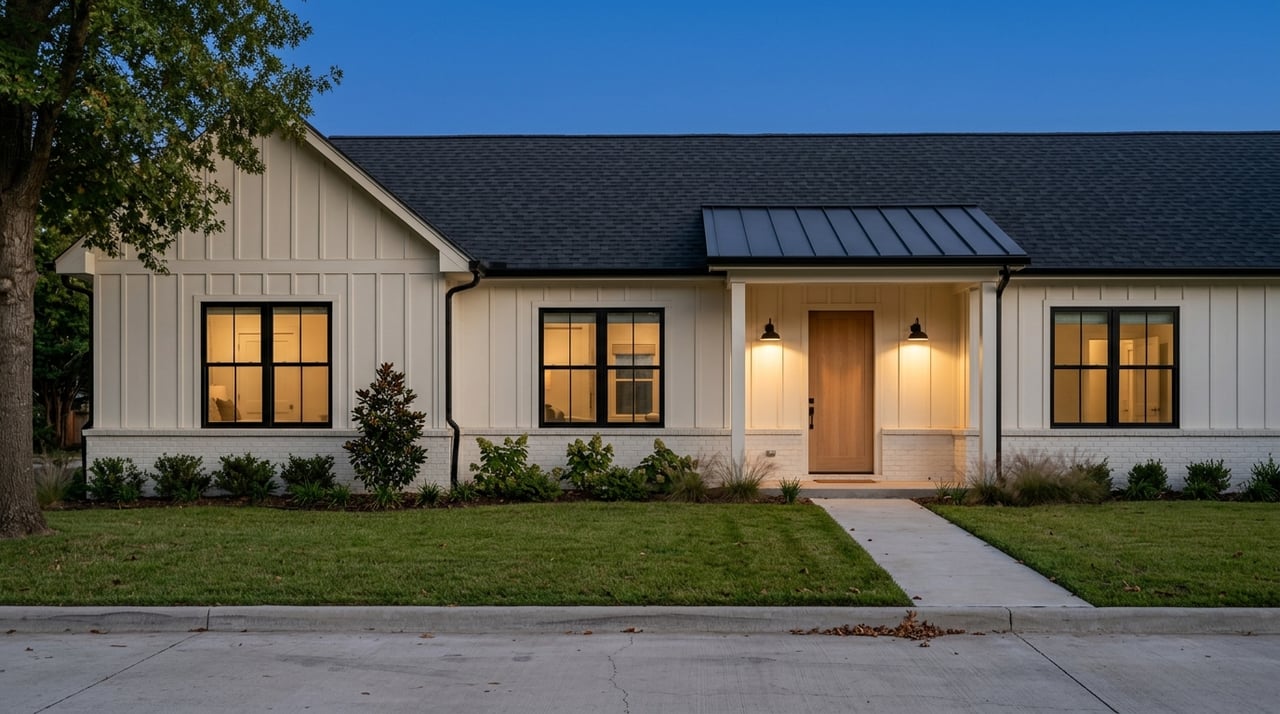
Mid-century and late-20th-century neighborhoods can be a smart middle ground. You may get more yard, more space, and an established setting without the rules that come with a local historic district.
If you want newer and lower maintenance
New-community buyers often prioritize newer systems, amenity access, and more predictable layouts. If you want less surprise in the home’s condition and more convenience in daily living, newer communities may fit your goals best.
Why this matters for buyers and sellers
For buyers, knowing the difference between these home-style categories can save time and sharpen your search. Instead of looking at all of Wake Forest the same way, you can focus on the era and lifestyle that best fits your needs. That usually leads to better decisions and fewer compromises.
For sellers, understanding your home’s place in Wake Forest’s housing timeline can help shape pricing, preparation, and marketing. A historic home, a mid-century property, and a newer community home often attract buyers for different reasons. Clear positioning matters.
Whether you are buying your next home or planning to sell, Wake Forest makes the most sense when you view it as a sequence of neighborhoods and housing eras, not a single style. If you want help thinking through which part of that sequence fits your goals, Margie Ax offers the kind of local, relationship-first guidance that can make your next move feel much clearer.
FAQs
What kinds of home styles can you find in Wake Forest?
- Wake Forest includes a range of housing styles and types, from historic homes near older residential areas to mill-village houses, mid-century neighborhoods, late-20th-century subdivisions, and newer master-planned communities with single-family homes, townhomes, and other housing options.
What is the difference between downtown Wake Forest and historic residential areas?
- Downtown Wake Forest is the commercial core along White Street, while the nearby historic residential areas include older homes on streets such as North Main Street and feature architectural styles spanning more than a century.
What should you know before buying in a Wake Forest historic district?
- If you buy in the local historic district, exterior changes require a Certificate of Appropriateness, and the Town provides design standards and a property handbook to guide renovation and maintenance decisions.
What are mid-century neighborhoods like in Wake Forest?
- Mid-century and transition-era neighborhoods in Wake Forest often offer established lots, varied housing styles, and a middle-ground option between the oldest in-town homes and the newest planned communities.
What newer community options are available in Wake Forest?
- Newer Wake Forest options include communities such as Holding Village, which includes multiple housing types around a lake, and Del Webb at Traditions, a 55+ community with ranch-style homes and a broad amenity package.